

Does Uber Insurance Cover You While Waiting for a Ride? What’s Covered in 2026
Yes, but not in the way most drivers hope, and not nearly enough for the situations that actually hurt.
The longer answer requires understanding how Uber’s rideshare insurance structure is designed, which periods of your shift are covered at what levels, and why the specific window of waiting for a trip request sits at the riskiest intersection between your personal auto policy and what Uber actually provides. This isn’t abstract. Drivers have found themselves absorbing high out-of-pocket costs after accidents during this exact window, because neither their insurer nor Uber stepped up in the way they expected.
Let’s work through this carefully.
How Uber Structures Its Insurance Coverage
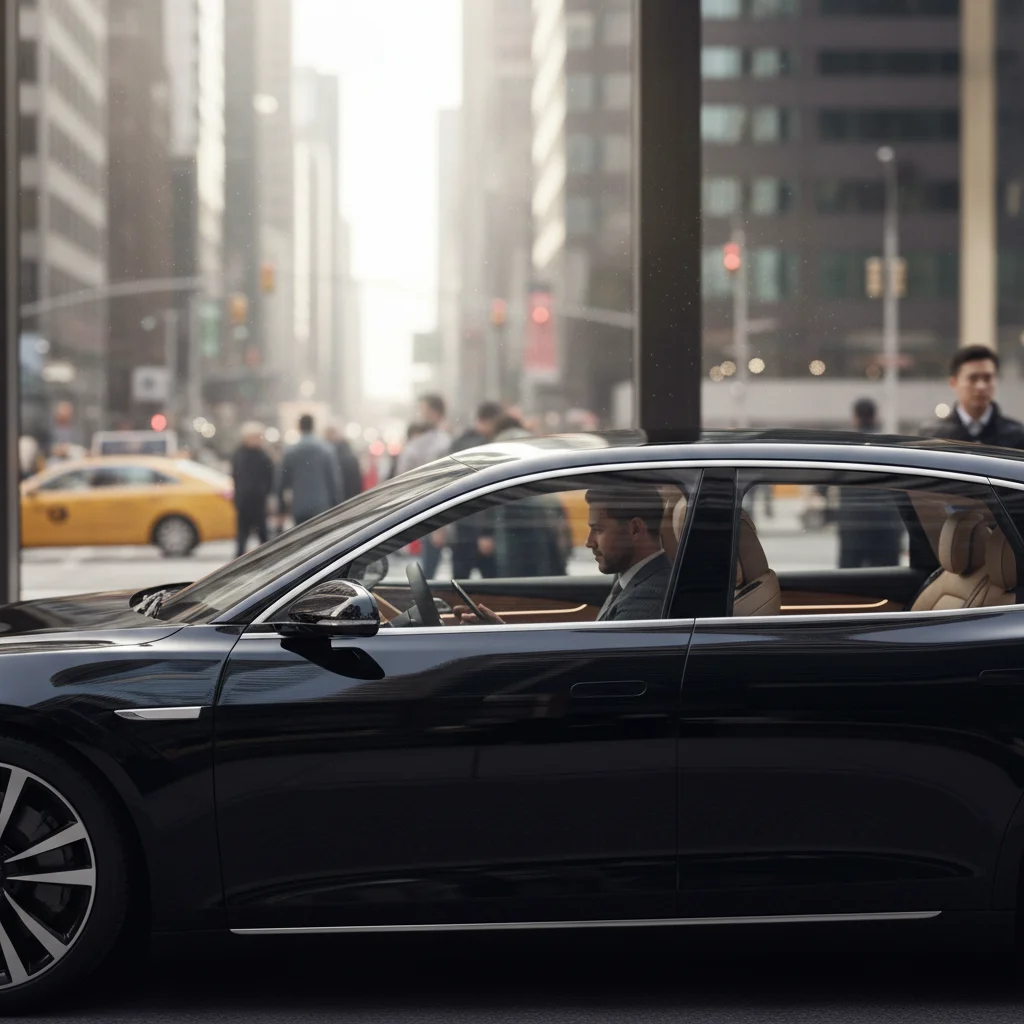
Uber doesn’t offer a single flat insurance policy that applies uniformly across your entire shift. The coverage is tiered, with different levels of protection tied to different phases of the driving period. The industry calls these coverage periods, and understanding them is genuinely more important than most drivers realize when they first sign up.
The three-period framework has become the standard way that both insurance companies and courts interpret coverage during a rideshare shift. Period 1 is when you’re logged into the Uber app and available to receive requests but haven’t yet accepted one. Period 2 begins the moment you accept a ride and start heading toward the pickup location. Period 3 is when the passenger is physically in your car, and the trip is actively underway.
There’s technically also a Period 0, which is simply the time when your Uber app is completely closed. During Period 0, your personal auto insurance operates exactly as it would on any normal drive. No complexity, no commercial use questions. The moment you activate the app, Period 1 begins, and the coverage picture shifts.
Period 0: Personal Insurance Controls Everything
When the Uber app is off, nothing about being a rideshare driver affects your coverage. You’re just a person driving their car. Your personal car insurance applies in full, your insurer has no claim about commercial use, and the interaction is clean. This period requires no special consideration.
The complication starts as soon as you log in.
What Uber’s Insurance Actually Does During Period 1

Period 1 is where the question in the title lives, and the honest answer is that Uber does provide coverage while you’re waiting for a ride, but the coverage is limited enough that many drivers would face serious financial exposure after a significant accident.
During Period 1, Uber maintains contingent liability coverage on behalf of drivers. The specific limits in most U.S. states are $50,000 per person for bodily injury liability, $100,000 per accident, and $25,000 in property damage liability. The word “contingent” here is worth pausing on. This coverage is secondary. It only activates if your personal auto insurer denies the claim, either because your policy has a commercial use exclusion or because the policy simply doesn’t apply in the given situation.
So Uber’s coverage during Period 1 isn’t your first line of protection. It’s a fallback that activates when your personal insurer steps aside.
Why Those Liability Limits May Not Be Enough
The $50,000 per-person bodily injury limit sounds workable until you run the numbers on a real accident. A serious crash requiring emergency transport, surgery, and a multi-day hospital stay can easily run past $80,000 for a single injured person in most urban markets. That gap above the $50,000 limit becomes your personal liability unless additional coverage exists. In an accident involving two or three injured parties, the $100,000 per-accident ceiling gets split among all victims, which can mean each person receives only a portion of their actual damages.
One legal analysis published in January 2026 noted that injury claim costs have climbed significantly over the past several years, meaning limits that seemed adequate when first established may genuinely fall short in serious situations today.
What Uber Does Not Cover During Period 1
This is the part that surprises drivers most. Uber provides no collision coverage and no comprehensive coverage during Period 1. None. If your car is damaged in a crash while you’re waiting for a ping, whether you caused it or someone else did, your vehicle repair costs are not covered by Uber’s Period 1 policy. If your car is stolen, vandalized, or hit by a driver who runs off, you’re looking at the same situation.
The only exception is if your personal auto policy happens to still apply in that window, which is increasingly rare once insurers learn you were actively available on the Uber app. And uninsured motorist coverage (UM/UIM) does not apply during Period 1 either. So if an uninsured driver hits you while you’re waiting for a request, the costs of your injuries and your vehicle damage land on you.
This is not a gap that Uber obscures. It’s right in their own driver-facing documentation. But it gets lost in the enthusiasm of signing up, and many drivers only encounter it when they need to file a claim.
How Period 1 Coverage Differs from What You Get on a Trip
The contrast between Period 1 and the active trip periods is stark, which is part of what makes the waiting window feel like such a specific trap.
During Period 2 (accepted ride, heading to pickup) and Period 3 (passenger in vehicle), Uber’s commercial auto insurance becomes the primary coverage for the driver. The coverage at this stage includes up to $1 million in third-party liability insurance for property damage and bodily injury. Uninsured and underinsured motorist (UM/UIM) protection becomes available. Medical payments coverage (MedPay) and personal injury protection (PIP) are also included, depending on the state.
Collision and comprehensive coverage during Periods 2 and 3 is also available, but with a significant condition: you must already carry those coverages on your own personal auto policy. If your personal policy only includes liability, Uber’s collision/comprehensive doesn’t activate. And when it does activate, Uber applies a $2,500 deductible in most cases, which can come as a shock to drivers who expected a lower out-of-pocket figure.
The jump from Period 1’s limited contingent liability to Period 2’s $1 million commercial coverage happens the moment you tap “Accept” in the app. That single action changes your coverage dramatically. It’s why some experienced rideshare drivers describe Period 1 as sitting in a kind of financial no-man’s land.
Why Your Personal Insurance Steps Back During Period 1

Understanding why your personal auto insurer typically withdraws during Period 1 helps clarify what you’re actually dealing with and what the fix looks like.
Personal auto policies are priced on the assumption that your car is used for private, non-commercial purposes. The premium calculation is based on your commute patterns, your driving history, the neighborhood where you park, your vehicle’s age and value, and similar factors. None of those factors accounts for the significantly higher mileage, extended hours, and urban driving patterns of a rideshare driver.
Insurers respond to this reality by including a commercial use exclusion in standard personal policies. That clause effectively says: if you’re using the vehicle to generate income, this policy doesn’t apply. The clause doesn’t require your insurer to prove malicious intent on your part. The app being active while you’re driving is, in most interpretations, sufficient grounds for the commercial use exclusion to apply.
The practical result is that during Period 1, your personal insurer may decline the claim, and Uber’s contingent liability coverage then becomes the active policy. But since Uber’s Period 1 coverage is secondary by design, the coverage hierarchy creates a situation where neither insurer is enthusiastic about being primarily responsible. Legal observers have noted that this can cause delays in claim processing as each party evaluates its position.
What Happens When You Haven’t Disclosed Rideshare Driving
This situation comes up with uncomfortable frequency. A driver has been doing Uber shifts for months without adding a rideshare endorsement or telling their insurer about the gig work. An accident happens during Period 1. They file a claim with their personal insurer without mentioning that the Uber app was active.
If the insurer discovers the app was on at the time of the claim, the options range from claim denial to policy cancellation. In states without consumer protections for gig economy drivers, non-renewal at the end of the policy term is also possible. The claim denial path can also raise questions about the accuracy of the information provided during the claim process, which is a significantly worse situation than paying an extra few dollars per month for a proper endorsement.
The Coverage That Actually Fixes the Period 1 Problem
The solution the insurance industry developed for exactly this situation is the rideshare endorsement. It’s an add-on to your existing personal auto policy that extends your personal coverages into Period 1, the window when Uber’s coverage is minimal and your personal policy would otherwise pull back.
A well-structured rideshare endorsement keeps collision coverage, comprehensive coverage, liability protection, roadside assistance, and in some policies, rental car reimbursement all active while you’re logged into the app and waiting for a request. You’re essentially telling your personal insurer: this is a commercial use, I’m disclosing it, and I need you to stay active in that window.
The cost for most drivers is modest. Most major carriers charge between $6 and $30 per month extra to add a rideshare endorsement to an existing personal policy. Compare.com data suggests the average total rideshare driver premium runs around $154 per month for a combined personal-plus-endorsement configuration, while Insurify’s figures put the average closer to $270 per month, depending on coverage levels and market. In California specifically, the average monthly cost to add a rideshare endorsement is reportedly around $17.
That monthly cost is considerably less than a single uninsured vehicle repair bill. The math on this is not complicated.
The State-by-State Variation That Affects Your Situation
One thing that doesn’t get discussed enough is how much the Period 1 coverage situation varies by state. The $50,000/$100,000/$25,000 limits described above are the national baseline, but state law can modify what’s required and how the coverage hierarchy operates.
California adds a specific layer relevant to Period 1. California law requires Uber to maintain contingent liability coverage with limits that exceed the state’s personal minimum but fall well below the $1 million commercial policy. Effective January 1, 2026, California Senate Bill 371 also reduced the UM/UIM coverage requirement during active trips from $1 million per occurrence down to $60,000 per person and $300,000 per incident. That change doesn’t directly affect Period 1 UM/UIM since UM/UIM doesn’t apply in Period 1 anyway, but it does affect drivers’ overall recovery position in serious accidents during Periods 2 and 3 when an uninsured third party is at fault.
California also has special provisions for driver injury protection. Through the Proposition 22 framework, Uber is required to provide Occupational Accident insurance automatically for California rideshare and delivery drivers for accidents that occur while online and waiting for a trip, on the way to a pickup, or on a trip originating in California. This covers medical expenses, disability payments, and survivor benefits. It doesn’t replace the need for a rideshare endorsement on your personal policy, but it does provide injury protection that isn’t universally available in other states.
In Washington State, drivers who sustain injuries while en route to pick up riders or during active trips may be eligible for workers’ compensation insurance provided automatically. Washington also allows drivers to purchase Optional Injury Protection at $0.022 per mile, which covers the online waiting period and delivery periods. Massachusetts added automatic Occupational Accident insurance for Rides drivers effective October 1, 2024.
For drivers in most other states, the injury protection during Period 1 is more limited. Optional Injury Protection (OIP) is available in 42 states at $0.024 per mile, allowing drivers to cover medical expenses, disability, loss of life, and dismemberment while online or on a trip. This is a driver-funded option, not something Uber provides automatically in those markets.
What Uber Drivers Often Get Wrong About the $1 Million Policy

The $1 million liability figure gets referenced frequently in Uber’s marketing and driver communications, and it’s real. It’s also genuinely impressive compared to what most personal auto policies provide. But it doesn’t apply in Period 1, and that fact gets lost.
Passengers and other road users who are injured in accidents involving Uber drivers often discover this limitation only after the accident, when insurance adjusters inform them that the $1 million policy wasn’t active because the driver was in the waiting phase. Victims expecting full commercial coverage find themselves negotiating with Period 1’s liability limits instead, and the disparity can be significant in serious injury cases.
For the Uber drivers themselves, the $1 million policy becoming active at Period 2 is welcome news. But it doesn’t change the Period 1 exposure to vehicle damage costs and the limited liability limits that may prove insufficient in a multi-vehicle or serious injury scenario.
The important distinction to internalize is that Uber’s full commercial coverage is conditional on you being actively engaged in a trip or on the way to one. Waiting, however long, doesn’t qualify for that level of protection.
Delivery Driving and Period 1: The Same Gap Applies
If you drive for Uber Eats rather than or in addition to passenger rideshare, the Period 1 coverage structure applies identically. When you’re logged into the Uber Eats app and waiting for a delivery request but haven’t accepted one yet, you face the same limited contingent liability and the same absence of collision and comprehensive coverage.
Uber does specify that its commercial delivery coverage provides $1 million per incident for liability during active deliveries, and that collision coverage contingent on your personal policy is available during active delivery periods with the same $2,500 deductible. But the waiting window is exposed in the same way as passenger rideshare Period 1.
Most major rideshare endorsements from carriers like State Farm, Progressive, and USAA extend to cover food delivery platforms. If you do both delivery and passenger rideshare, confirm explicitly with your insurer that your endorsement covers both use types before assuming you’re protected.
Practical Steps to Close the Coverage Gap
If you’re currently driving for Uber without a rideshare endorsement, closing the Period 1 gap is a relatively simple process. Start by calling your current insurer or reaching out through their app to ask whether they offer rideshare coverage as an add-on to your existing policy.
Most major carriers do offer it. State Farm, Progressive, USAA, Allstate, Farmers, and Mercury Insurance all have products designed for rideshare drivers. Each has slightly different terms. State Farm’s endorsement keeps medical payments and roadside assistance active through Period 1. Progressive includes deductible reimbursement, covering the gap between your personal deductible and Uber’s higher deductible during claims in Periods 2 and 3. Allstate’s Ride for Hire endorsement covers all 50 states and matches your personal deductible, so you’re not hit with Uber’s $2,500 figure. USAA’s endorsement starts around $16 per month for qualifying members and covers both rideshare and delivery driving.
If your current insurer doesn’t offer rideshare coverage, the alternative is shopping around for one that does. In rare cases where no endorsement is available in your state, a commercial auto insurance policy provides the most complete coverage but comes at a higher cost, typically $1,000 to $2,500 or more annually.
When comparing options, pay attention to whether collision and comprehensive actually extend through Period 1, not just Periods 2 and 3. Some endorsements focus only on bridging the liability gap. Others provide full parity with your personal policy across all phases of driving. The difference in coverage is meaningful, and the monthly premium difference may be smaller than expected.
The Longer Answer to the Original Question
Does Uber insurance cover you while waiting for a ride? It does, but the coverage during that waiting period is limited to contingent liability and doesn’t include any protection for your vehicle, UM/UIM coverage, or meaningful injury protection in most states. The limits, while better than nothing, could fall well short in a serious accident involving multiple injured parties or significant property damage.
Uber’s coverage during Period 1 appears designed to meet minimum regulatory requirements rather than to provide the kind of comprehensive protection that the $1 million figure suggests during active trips. The distinction matters practically for every driver who spends meaningful time logged in and waiting between rides.
The financial exposure during Period 1 is real and specific. The fix is accessible and relatively affordable. For most drivers, adding a rideshare endorsement to their existing personal policy closes the gap for somewhere between $6 and $30 per month. Considering that a single uninsured vehicle damage claim in an urban market can run $5,000 to $15,000 or more, the monthly endorsement cost looks less like an optional expense and more like a reasonable cost of doing business.
Frequently Asked Questions
Does Uber insurance cover accidents that happen while waiting for a ride?
Yes, but only partially. During Period 1 (app on, no ride accepted), Uber provides contingent liability coverage of up to $50,000 per person for bodily injury, $100,000 per accident, and $25,000 for property damage. This coverage is secondary and only activates if your personal insurer denies the claim. Uber provides no collision or comprehensive coverage during Period 1, meaning your vehicle damage costs are not covered by Uber during the waiting phase.
What is Period 1 in Uber insurance?
Period 1 is the coverage phase when your Uber app is switched on, and you’re available to accept ride requests, but you haven’t accepted one yet. It’s the window between logging in and the moment you tap “Accept” on a request. During Period 1, Uber’s coverage is significantly more limited than what applies during active trips (Periods 2 and 3), with lower liability limits and no collision or comprehensive protection for the driver’s vehicle.
Does my personal car insurance cover me during Period 1?
Usually not. Most personal auto policies include a commercial use exclusion that removes coverage when you’re using your car to earn money. Since the Uber app being active counts as commercial use in most interpretations, your personal insurer may deny a claim that occurs during Period 1. This is the core reason that a rideshare endorsement is worth adding to your personal policy.
What coverage does Uber provide during an active trip?
During Periods 2 and 3 (en route to pickup and actively transporting a passenger), Uber provides up to $1 million in third-party liability coverage, along with UM/UIM coverage, PIP, and MedPay, depending on the state. Collision and comprehensive coverage is also available, contingent on the driver maintaining those coverages on their personal policy, with a $2,500 deductible in most markets.
How can I get coverage during the Period 1 waiting gap?
A rideshare endorsement added to your existing personal auto policy is the most common and affordable solution. Carriers, including State Farm, Progressive, USAA, Allstate, and Farmers, all offer rideshare endorsements that extend personal coverage into Period 1. The cost typically ranges from $6 to $30 per month, extra on top of your existing personal premium.
Does the Period 1 coverage gap apply to Uber Eats drivers, too?
Yes. Delivery drivers using the Uber Eats app face an identical coverage gap during the waiting phase before accepting a delivery request. Uber’s contingent liability limits apply in the same way, and collision/comprehensive protection for the vehicle is absent during that window. Most rideshare endorsements from major carriers extend coverage to food delivery platforms as well, but it’s worth confirming with your specific insurer.
